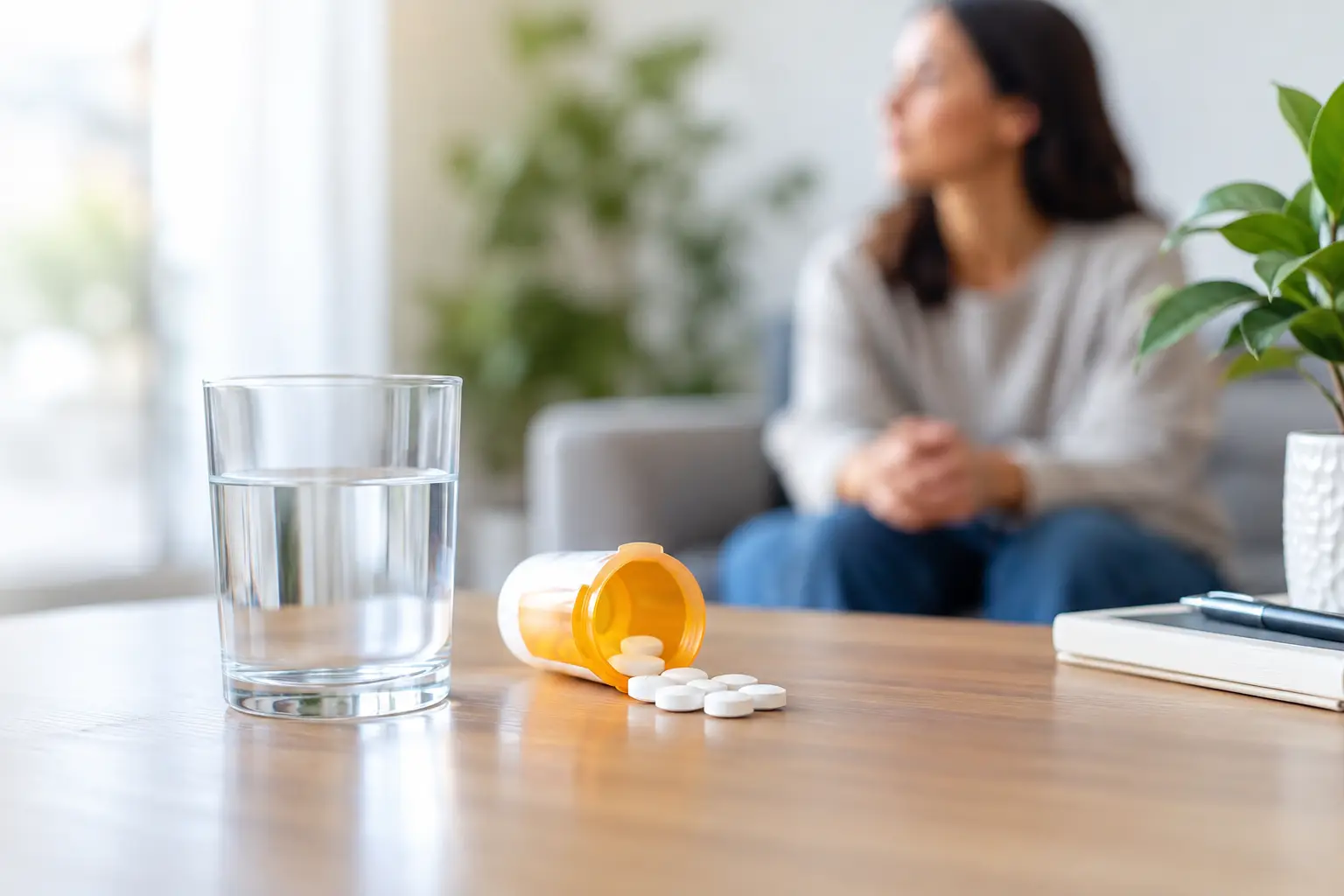
Recovery can feel out of reach when cravings, withdrawal symptoms, anxiety, or relapse keep pulling a person back toward substance use. Addiction recovery medications can make that struggle more manageable by treating the physical and emotional effects of substance use disorders. They are not a shortcut or a replacement for personal effort. They are evidence-based medical tools that can help create enough stability for healing to take hold.
For many individuals and families, the hardest part is knowing where to begin. A compassionate psychiatric evaluation can clarify which medications may help, which treatments may not be appropriate, and what additional support is needed for a safer recovery.
What Are Addiction Recovery Medications?
Addiction recovery medications are prescription treatments used to reduce withdrawal symptoms, lessen cravings, prevent return to use, or reduce the reinforcing effects of certain substances. Medication-assisted treatment, often called MAT, is a common term for care that combines medication with counseling, behavioral support, and ongoing medical follow-up.
The right medication depends on the substance involved, a person’s health history, current medications, mental health symptoms, and recovery goals. Treatment is never one-size-fits-all. Two people with the same diagnosis may need very different plans based on their medical needs, home environment, prior treatment experiences, and level of support.
Medication does not erase the work of recovery. It can reduce the intensity of symptoms that make recovery harder, including severe cravings, sleeplessness, irritability, depressed mood, and physical discomfort. With those symptoms better managed, people may be more able to attend therapy, rebuild routines, repair relationships, and make decisions aligned with their goals.
Medications Used for Different Substance Use Disorders
Opioid use disorder
Medications for opioid use disorder are among the most well-studied treatments in addiction medicine. Buprenorphine can reduce cravings and withdrawal symptoms while lowering the risk of overdose. Methadone may also reduce withdrawal and cravings, but it is usually provided through specially regulated treatment programs. Naltrexone blocks opioid effects and may be an option for some people after they have fully stopped using opioids and completed an appropriate withdrawal period.
These medications are not simply substitutes for opioid use. When prescribed and monitored appropriately, they are medical treatments that can support stability and reduce the risk of fatal overdose. The choice between them depends on factors such as opioid use history, access to care, other health conditions, and patient preference.
Alcohol use disorder
Several medications may help people reduce or stop alcohol use. Naltrexone may decrease the rewarding effects of alcohol and reduce heavy drinking for some individuals. Acamprosate can support abstinence by helping with symptoms that may persist after stopping alcohol, such as restlessness, sleep disruption, and anxiety. Disulfiram creates an unpleasant reaction if alcohol is consumed, so it requires a high level of commitment and careful medical guidance.
Alcohol withdrawal can be medically serious. Symptoms such as seizures, hallucinations, confusion, severe shaking, or dangerously high blood pressure require urgent medical attention. A psychiatric provider can help determine whether outpatient treatment is appropriate or whether a higher level of care is needed first.
Tobacco and nicotine dependence
Nicotine dependence is also a substance use disorder, and treatment can be especially valuable for people who are ready to quit vaping, cigarettes, or other tobacco products. Options may include nicotine replacement products, bupropion, or varenicline. These treatments can reduce cravings and withdrawal while a person develops new habits and coping skills.
Stimulant and other substance use disorders
There is currently no FDA-approved medication specifically for stimulant use disorder involving substances such as cocaine or methamphetamine. That does not mean treatment is unavailable. Behavioral therapies, treatment of co-occurring depression, anxiety, ADHD, trauma symptoms, or sleep concerns, and consistent follow-up can all play meaningful roles in recovery.
For cannabis, sedative, or other substance-related concerns, the treatment plan may focus on a supervised taper when appropriate, symptom management, therapy, and treatment for underlying psychiatric conditions. A complete assessment matters because stopping some substances abruptly can be unsafe.
Why Medication Management Matters in Recovery
Starting a medication is only one part of care. Effective medication management includes regular follow-up, honest conversations about symptoms and substance use, and adjustments when a plan is not working as expected. A provider monitors benefits, side effects, adherence, interactions with other prescriptions, and changes in a person’s recovery environment.
This is particularly important when addiction occurs alongside depression, bipolar disorder, anxiety, PTSD, ADHD, or chronic insomnia. Symptoms can overlap. For example, poor concentration may be related to ADHD, early recovery, depression, sleep loss, or more than one of these at the same time. Treating only one concern while overlooking the others can leave a person feeling misunderstood and more vulnerable to relapse.
Psychiatric care should also account for practical realities. A parent may need a plan that works around school pickups. An adult with a demanding job may need private virtual appointments. Someone living in a rural area may need reliable telepsychiatry access rather than repeated long drives. A treatment plan is more likely to help when it is clinically sound and realistic for daily life.
What to Expect From an Initial Evaluation
A thoughtful evaluation is not designed to judge or punish someone for substance use. It is a confidential medical conversation focused on safety, understanding, and next steps. A provider may ask about the substances used, frequency of use, past withdrawal symptoms, overdose history, previous treatment, current prescriptions, physical health, mood, sleep, trauma, and family support.
The provider may also discuss whether medication can be started safely in an outpatient setting. Some situations require detoxification, emergency care, or a more intensive program before outpatient medication management begins. This is not a failure. It is a clinical decision intended to protect the person’s health during a vulnerable stage of recovery.
If medication is appropriate, the plan should include clear instructions about how to take it, what side effects to watch for, when to contact the office, and how often follow-up appointments are needed. Patients should feel comfortable asking why a medication is recommended, what alternatives exist, how long treatment may last, and how it fits with therapy or recovery support.
Medication Is Stronger With Ongoing Support
Recovery medication works best as part of a broader, individualized plan. Therapy can help a person identify triggers, manage stress, process trauma, improve communication, and build practical coping skills. Family involvement may be helpful when it is safe and welcome, especially for adolescents and young adults. Supportive relatives often need guidance too, because addiction affects the entire household.
Recovery also rarely follows a perfectly straight line. A return to use does not mean treatment has failed or that a person is beyond help. It is a signal to reassess the plan with care. The medication may need adjustment, a co-occurring condition may need more attention, or the person may need stronger support during a stressful period.
At Focus Psychiatry Clinic, board-certified psychiatric providers offer individualized addiction and medication management care through virtual appointments for eligible patients in Florida and Texas. Care begins with listening carefully, evaluating the full picture, and helping each patient move forward without shame.
Asking for help can be the first practical step toward a more stable life. With the right clinical support, recovery can become less about getting through each hour and more about building days that feel safe, connected, and possible.